
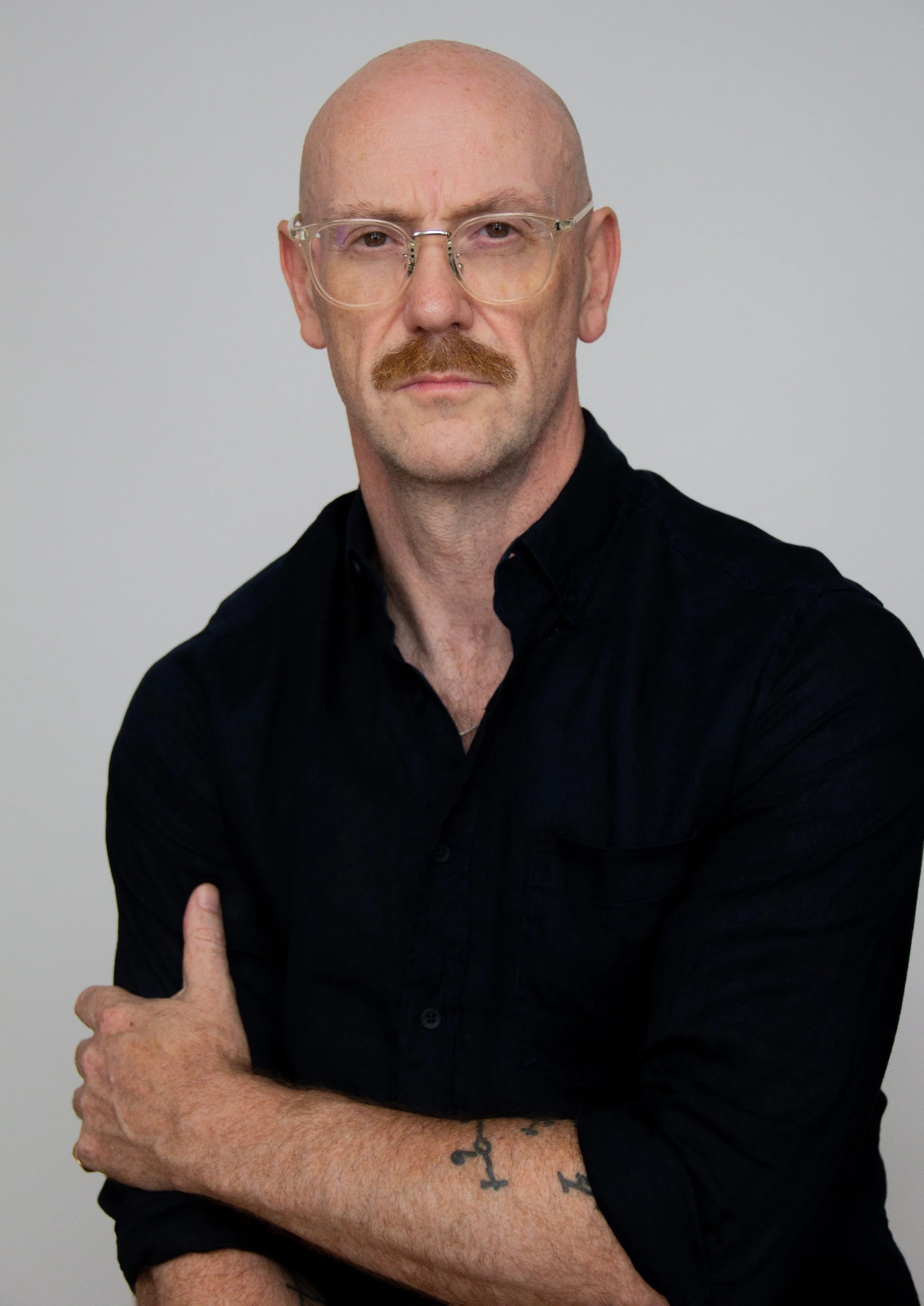
Thoughtful therapy for demanding lives
I’m David Lutton (he/him), a psychodynamic psychotherapist practising near Chancery Lane in Central London and online. I hold a PhD and am registered with the British Psychoanalytic Council (BPC) and the UK Council for Psychotherapy (UKCP).
Before training as a therapist, I worked at a senior level in the UK and internationally. That gave me first-hand insight into what high-intensity careers ask of people, and what they can quietly cost.
Many of the people I work with are accomplished but feel stuck: repeating patterns, struggling in relationships, or questioning who they are underneath the role. Others come to explore gender identity, sexuality or relationship structures, or with questions of self-esteem and intimacy. My practice is inclusive, and nothing you bring needs to be edited for my benefit.

Professional Standards
I trained at the British Psychotherapy Foundation (BPF), completing four years of intensive clinical and academic training in psychodynamic psychotherapy. This included supervised practice, personal analysis, and deep engagement with psychoanalytic theory. My thinking draws on psychoanalytic and Jungian traditions.
I am professionally registered with both the British Psychoanalytic Council (BPC) and the UK Council for Psychotherapy (UKCP). The BPC is accredited by the Professional Standards Authority, ensuring that all members meet the highest ethical and clinical practice standards.
Why does this matter? In the UK, anyone can legally call themselves a therapist or counsellor. Registration with a professional body is how you know someone has completed a recognised training, works under a code of ethics, keeps up their professional development and is accountable through a complaints procedure.
Both the BPC and UKCP registers are accredited by the Professional Standards Authority. You can check my registration on each register, and I’d encourage you to do the same with any therapist you consider. Therapy is a vulnerable process, and you deserve to know you’re in safe hands.